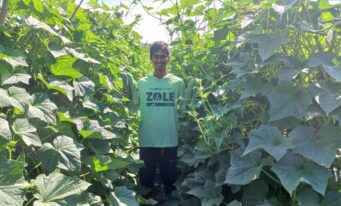
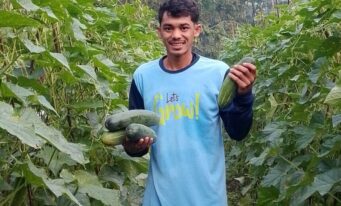
“The soil is so hard… can anything really grow here?”
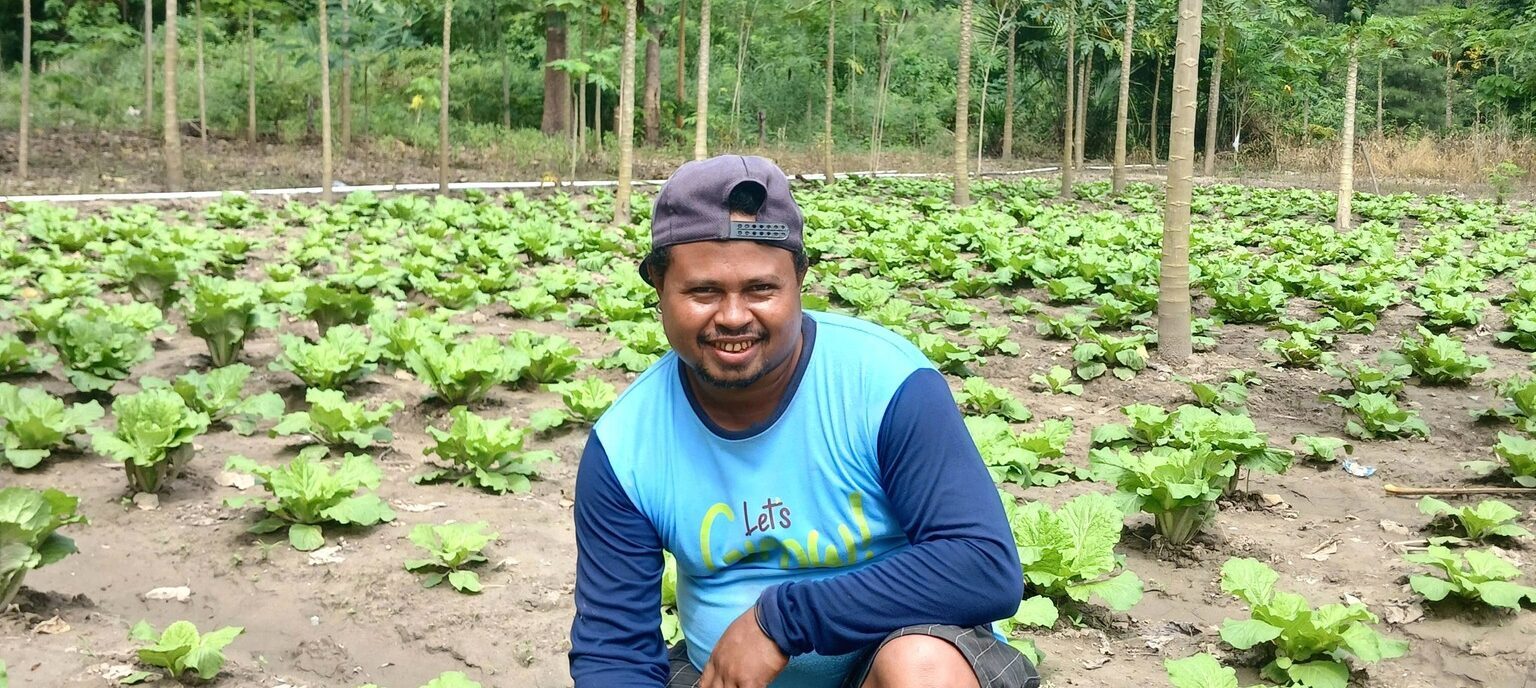
That question marked the beginning of Apris Ellu’s journey, a participant in the Youth Program Batch 5 from Boentuka Village, South Central Timor. Before him lay a piece of land that was far from ideal for cultivation. The compact, poorly aerated soil made the prospect of growing vegetables seem uncertain.
For farmers, soil condition is one of the key factors that determine the success of cultivation. Hard soil can hinder root development, reduce a plant’s ability to absorb water and nutrients, and increase the risk of poor growth. Many people might choose to step back when faced with such conditions. But Apris chose to keep going.
Instead of seeing the condition of the land as a reason to stop, he viewed it as a challenge to overcome. Driven by a willingness to learn and a determination to prove that the land still had potential, Apris began cultivating Chinese cabbage step by step.
“At first, I was doubtful because the soil was quite hard. But I thought that if I didn’t try, I would never know the result. So, I decided to continue and do my best,” Apris recalled.
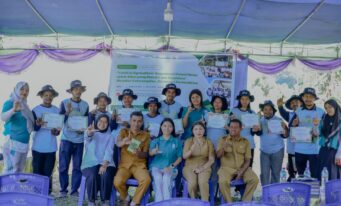
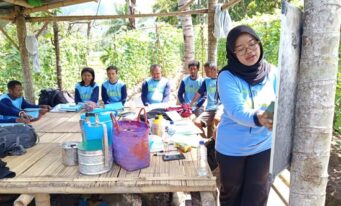
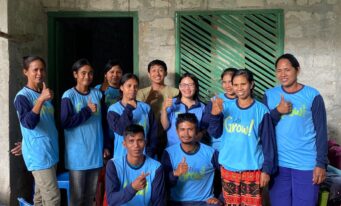
His journey was not one he took alone. Throughout the cultivation process, Apris received continuous support and guidance from field facilitators who provided practical advice tailored to the challenges he encountered. From crop management techniques to problem-solving in the field, every stage became an opportunity to learn and grow.
This ongoing mentoring helped Apris remain confident in managing his farming activities. Whenever he faced obstacles, he had someone to consult and discuss solutions with. Whenever doubts arose, he was encouraged to keep trying and not give up.
He continued with routine crop maintenance, including watering, monitoring plant growth, and ensuring the crops received the care they needed. Although results did not come overnight, Apris remained committed to the process.
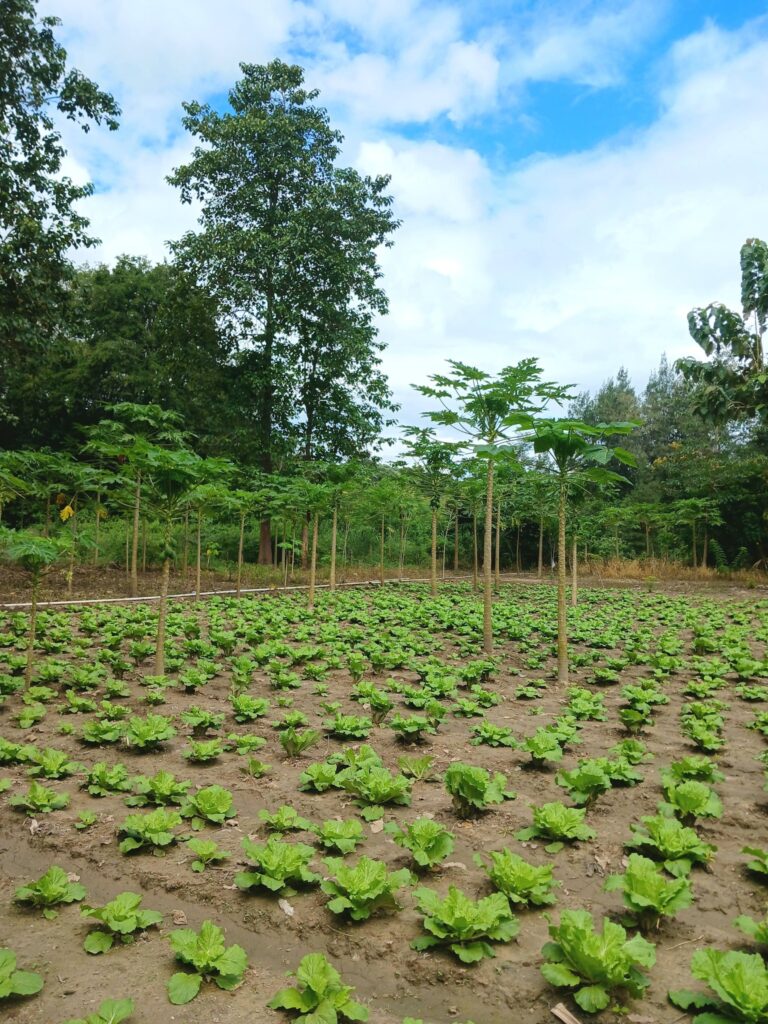
By 28 Days After Planting (DAP), or approximately four weeks, the Chinese cabbage showed promising growth. The leaves developed well, and the plants successfully adapted to soil conditions that had initially seemed unsuitable for cultivation.
For Apris, this progress was about more than healthy crops. It became proof that perseverance and a willingness to keep learning can create new opportunities, even when the starting conditions appear unfavorable. Through the right support and a spirit that never fades, challenges can become opportunities. Doubts can become confidence. And land once considered too hard for cultivation can become fertile ground for new hope.