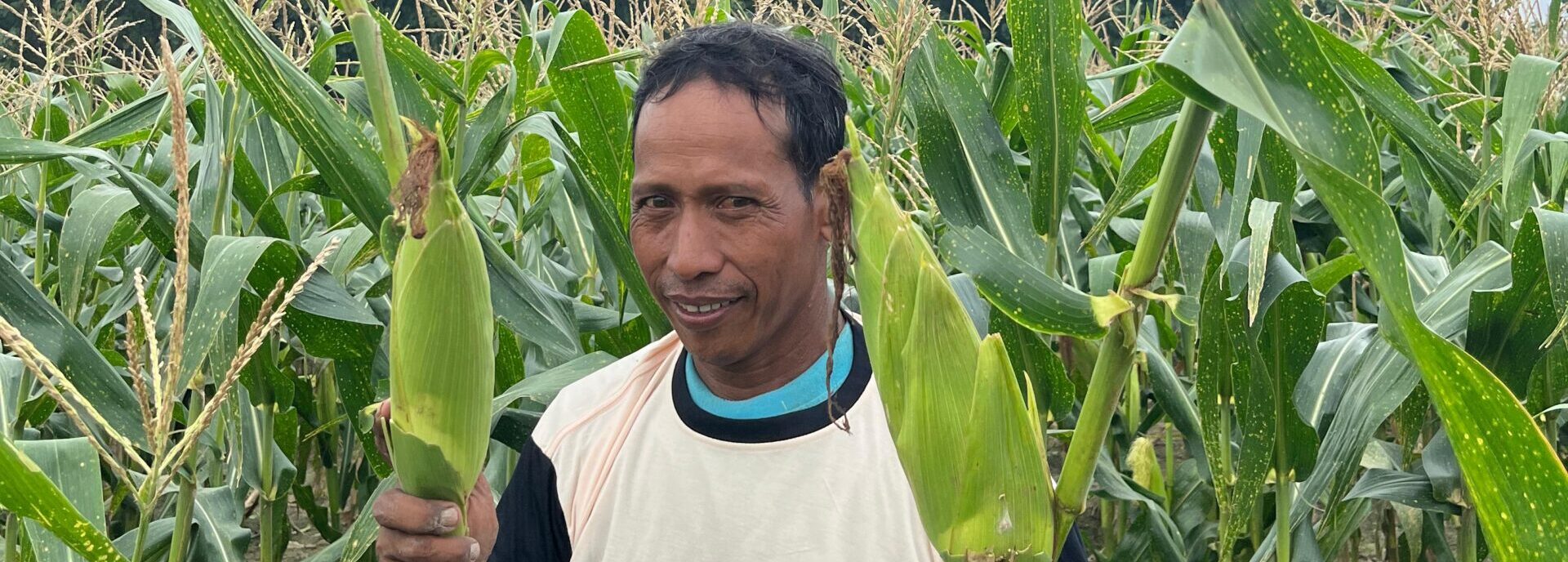
In Tunggak Village, Toroh District, Grobogan, Central Java, Riswadi, widely known as Pak Huda, is recognized as a farmer who not only has strong experience but also plays a key role in mobilizing other farmers. At 53, he has spent more than 15 years in agriculture, starting with staple crops before focusing on horticulture, particularly sweet corn.
With years of experience, Pak Huda has developed a deep understanding of land conditions, cultivation techniques, and the challenges faced by farmers in his area. What sets him apart is his openness to innovation. He is known as a farmer who is willing to try new technologies as long as they support productivity and long-term sustainability.
On his 1,000 m² farm, Pak Huda applies Good Agricultural Practices (GAP) with an approach tailored to field conditions. Rather than relying entirely on chemical inputs, he combines them with organic materials to maintain soil health. One of the key innovations he has adopted is the use of biochar as a soil amendment, helping to improve soil structure, enhance water retention, and support beneficial microbial activity.
Whenever introducing new technologies, Pak Huda starts with small-scale trials on his land. He evaluates the results carefully before applying them more widely. This approach not only improves production efficiency but also provides practical insights that he shares with other farmers.
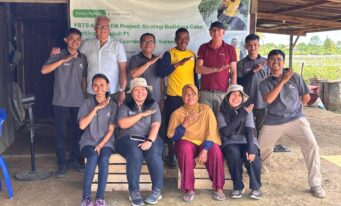
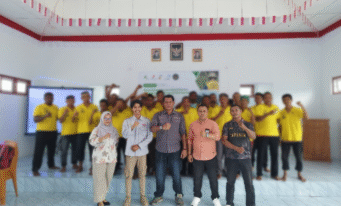
As a leader and key farmer of the Biochar Farmer Group in Tunggak Village 1, Pak Huda actively shares his knowledge and experience. He often becomes a reference point for farmers who want to learn about new technologies, especially biochar application. Through regular meetings and daily interactions, he explains the benefits and practical use of these innovations based on firsthand experience.
His role as a driver of change is reflected in the growing number of farmers who are willing to adopt new practices. Because the knowledge comes from a fellow farmer with similar conditions, it is easier for others to trust and apply. He also maintains strong connections with extension workers, agronomists, and agricultural companies, helping accelerate access to new knowledge and technologies within the community.
“Farmers need to be willing to try. If we don’t try, we won’t know the results, and we won’t be able to grow,” said Pak Huda.
Through his efforts, Pak Huda not only develops his own farm but also fosters a more adaptive, efficient, and sustainable farming environment within his community.