Learning Farm YBTS, Cultivating Knowledge Through Hands-On Experience
Uploaded
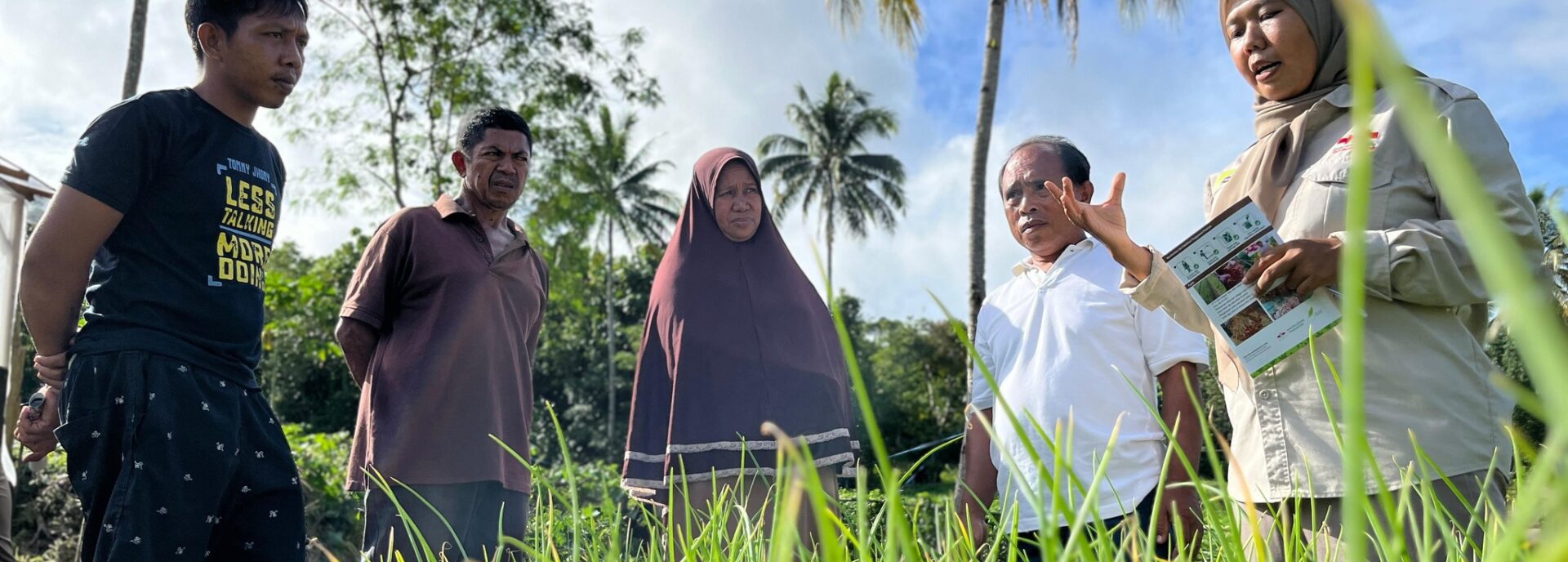
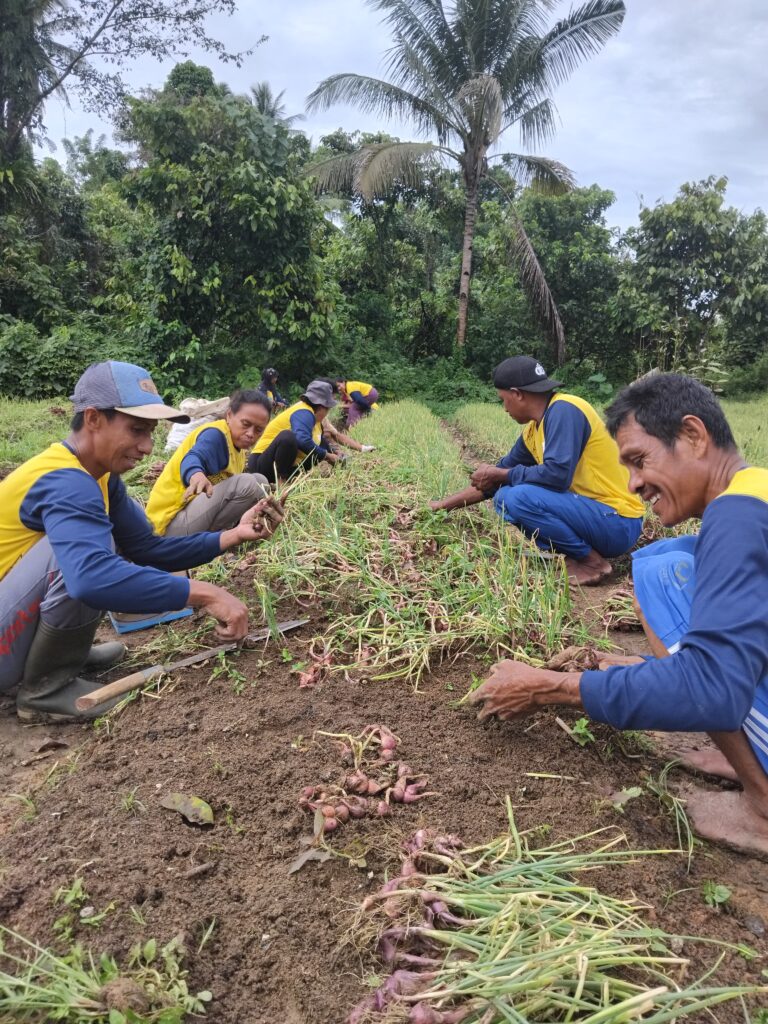
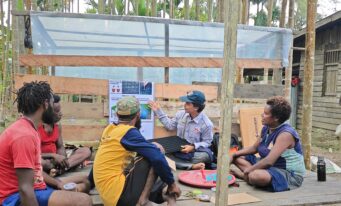
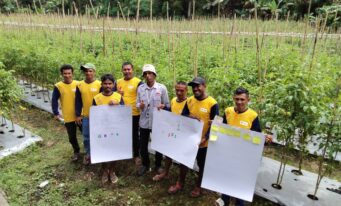
The dynamic atmosphere of the fields, warm discussions, enthusiastic participants observing leaf structures, and hands becoming familiar with seeds are everyday scenes at the Learning Farm of Yayasan Bina Tani Sejahtera (YBTS). At this training center, participants do not simply absorb theory in a classroom; they are directly involved in every stage of cultivation through practical, hands-on learning.
Through an experiential learning approach, Learning Farm serves as an open educational space that helps communities understand agriculture in a real, practical, and accessible way. From seedling production and monitoring vegetative growth to identifying pest management challenges, the entire curriculum is delivered through direct field experience. Today, YBTS Learning Farms in Ambon and Sorong continue to expand their reach by offering contextual learning methods tailored to local conditions and farmers’ specific needs.
Knowledge transfer is further reinforced through direct visual observation and practical field experience.
Building Independence and Interactive Learning in Ambon
At Learning Farm Ambon, participants are encouraged to become critical thinkers through intensive guidance from YBTS experts. This transformation of knowledge covers the entire agricultural cycle, including ideal soil preparation, precision nutrient management, routine crop maintenance, and effective harvesting techniques to ensure product quality.
What makes the program unique is that the classroom extends into nature itself. Discussions take place directly in the field, where farmers exchange experiences, evaluate crop anomalies, and formulate solutions for preventing plant pest and disease problems. The facility also regularly hosts Farmers Field Days as a platform for interactive educational activities. The impact has been remarkable, significantly increasing participants’ confidence in managing their own farms independently.
One inspiring success story comes from Mr. Wan, a young farmer whose tomato and chili productivity was once far below optimal levels. After diligently applying the knowledge gained through Learning Farm, he transformed his cultivation practices. In the following planting season, he successfully harvested 1.5 tons of fresh chili peppers from a 2,000 m² plot with approximately 2,800 plants, generating revenue of around IDR 65 million. Today, he has not only achieved financial independence but also become a mentor and reference for fellow farmers implementing Good Agricultural Practices (GAP).
Harmonizing Collaboration Across Cultures in Sorong
Further east, Learning Farm Sorong offers a collaborative learning environment rooted in human values. Migrant farmers and Indigenous Papuan (OAP) farmers come together without barriers, sharing local wisdom, farming traditions, and strategies for overcoming the geographical challenges of Papua’s agricultural landscape.
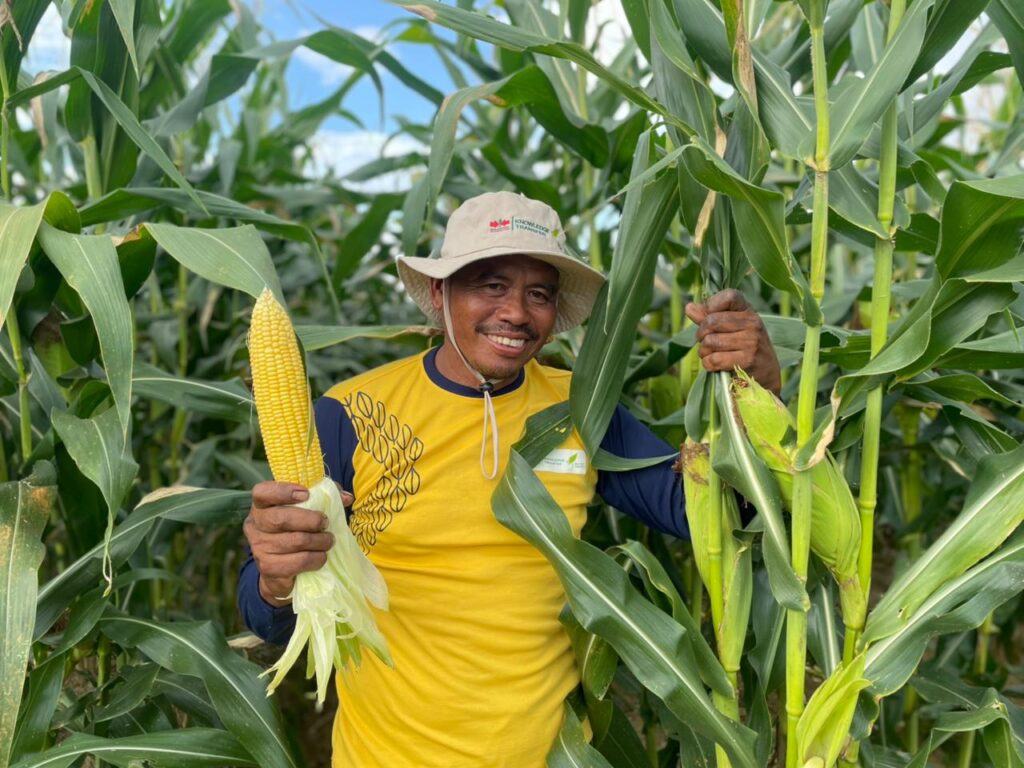
Through the adoption of modern techniques introduced at the Learning Farm, corn yields increased by up to 30%.
Knowledge transfer is strengthened through direct visual observation in the field. One of the featured programs is a demonstration plot for sweet corn cultivation. The technology introduced through the Learning Farm was successfully adopted by Mr. Suparjono. By applying modern cultivation techniques, the average weight of his sweet corn harvest increased by up to 30% compared to conventional methods. This achievement demonstrates how precision agriculture technologies can contribute to improving farmers’ livelihoods.
Grounding Agriculture for the Future
Learning Farm YBTS has successfully challenged the perception that agriculture is rigid and complicated. Through practical experience, farming becomes engaging, relevant, and adaptable to everyday needs. Beyond being a place of production, it serves as a space where curiosity grows, innovation is encouraged, and self-confidence is strengthened.
For those who wish to experience the pulse of modern agriculture firsthand, YBTS Learning Farms are open to the public:
Learning Farm Ambon: Hative Besar Village, Teluk Ambon District, Ambon City
Learning Farm Sorong: Jalan Nusantara 2, Malawele, Aimas, Sorong Regency
For more information about educational programs and activities, visit www.info.binatani.or.id.
This article was published in iHorti Magazine 190/Vol. 5/Year XVII.
Other Knowledge Transfer
Learning from the Field Through a Cauliflower Farmers Field Day
Uploaded
Through a Farmers Field Day (FFD) under the De Eik Project Sorong, farmers gained hands-on experience in cauliflower cultivation while exploring its market potential and the importance of farm business planning. The activity encouraged participants to see farming not only as a production activity but also as a business that requires careful planning to improve productivity and profitability.
For Yayasan Bina Tani Sejahtera (YBTS), knowledge transfer is the core foundation for strengthening farmer capacity to build independent and sustainable livelihoods. Through tactical and pragmatic approaches, YBTS ensures that cultivation innovations can be applied directly in the field. This strategy includes Integrated Learning involving 16,249 farmers through technical training and the development of 3,382 demonstration plots as ground evidence for the implementation of Good Agricultural Practices (GAP). Additionally, the Seed Clinic program at 84 agri-kiosks provides practical solutions for early-stage cultivation challenges. YBTS also optimizes Digital Content and establishes Collaborations with Educational Institutions to expand information reach and strengthen farmer regeneration across various regions in Indonesia.
Sharing Knowledge, Harvesting Change in North Halmahera
Uploaded
Andri Aswat, a 34-year-old former government clerk from North Halmahera, transformed his career into a professional agribusiness owner through the Knowledge Transfer program assisted by Yayasan Bina Tani Sejahtera (YBTS). By mastering Good Agricultural Practices (GAP), he turned his farm into a "living laboratory," earning a seasonal income of up to IDR 100,000,000 and proving that modern horticulture is a prestigious, profitable path. Now a Community Farmer Facilitator (CFF) and founder of the "Revolusi Tani" group, Andri mentors 20 other families, bridging the gap between technical innovation and community prosperity.
Learning Together, Opening Market Pathways from Prafi Mulya
Uploaded
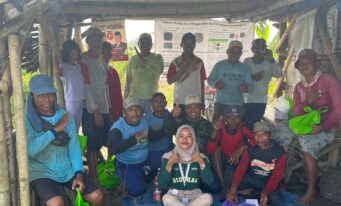
A Focus Group Discussion in Kampung Prafi Mulya, Manokwari became a space for women farmers to share experiences and learn together about overcoming market access challenges. Through knowledge sharing with the YBTS team, participants explored practical ways to expand their market networks and strengthen their confidence in marketing their harvests.